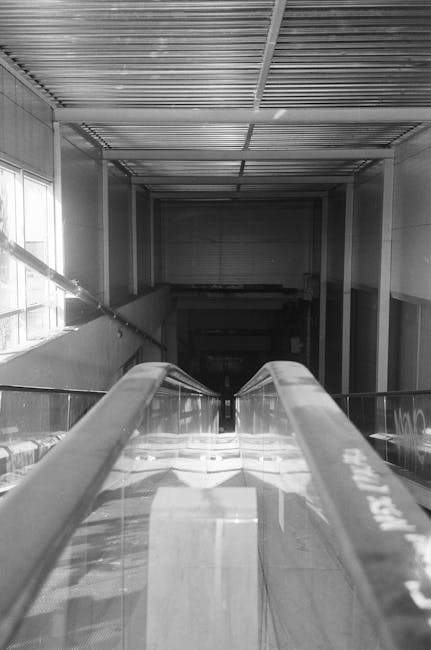
Moving into Goddington High Street flats: stairs & lifts
Posted on 06/05/2026
Moving into Goddington High Street flats: stairs & lifts
Moving into a flat on Goddington High Street sounds straightforward until you meet the stairs, the lift, the landing corner that looks just a bit too tight, and the neighbour's parked scooter outside the entrance. That's the real moving day, truth be told. Whether you're going up two flights or relying on a lift that only fits one person and a box at a time, the access details can shape the whole move.
This guide on moving into Goddington High Street flats: stairs & lifts walks through the practical side of flat removals in plain English. You'll learn what matters most, how to plan access properly, what to pack and protect, which mistakes cause delays, and when it makes sense to bring in help. If you want the move to feel calmer and less chaotic, you're in the right place.
Why Moving into Goddington High Street flats: stairs & lifts Matters
Flat moves are not just "house moves with less furniture". They're different in ways that matter. On Goddington High Street, access can be the deciding factor in whether a move feels smooth or turns into a long, sweaty, slightly awkward day with people standing around a hallway wondering how the sofa is ever going to make the turn.
Stairs affect lifting technique, timing, and the number of trips. Lifts affect waiting times, load sizes, and whether a bulky item even fits inside the cabin. Add shared entrances, narrow communal corridors, and the need to respect other residents, and the plan becomes more than just getting boxes from A to B.
This is why a proper access plan matters so much. It helps you protect furniture, reduce injury risk, avoid friction with neighbours, and keep the move moving. If you want broader guidance on the moving process, the article on how to simplify house moving and avoid stress is a useful companion read.
In our experience, the people who prepare for the building layout in advance always have the calmer day. Not perfect, just calmer. And on moving day, calmer is gold.
How Moving into Goddington High Street flats: stairs & lifts Works
The practical side starts before the van arrives. First, you need to understand the building access: how many floors, whether there's a lift, how wide the stairwell is, where the parking is, and how far the front door is from the vehicle. A move that looks short on a map can still be quite demanding if the route from van to flat includes three doors, a security entry system, and a lift that pauses on every floor.
Here's the basic flow most flat moves follow:
- Pre-move access check. Confirm stairs, lift availability, parking arrangements, and any building rules.
- Item sorting and packing. Pack by room and prioritise the items that need extra care on stairs or in the lift.
- Protected lifting and carrying. Use the right number of people, the right grip, and sensible load sizes.
- Lift strategy or stair strategy. Decide what goes by lift and what should stay on the stairs, based on size and building rules.
- Placement at the new flat. Get the heavy items in first, then move the smaller boxes.
There's a small but important detail here: lifts are not always the easy option. A lift may save energy, yes, but if it is tiny, slow, or shared with other residents, it can become the bottleneck. Stairs can be more predictable, but they demand care, pacing, and good lifting form. That's where a bit of practical planning makes all the difference.
For packing support, the guide to packing efficiently when moving house has some genuinely useful ideas, especially for box size, labelling, and reducing unnecessary weight.
Key Benefits and Practical Advantages
Getting the stairs-and-lifts part right does more than keep the move on schedule. It brings a few very real benefits that people often notice only after the fact.
- Less risk of damage. Furniture is less likely to hit banisters, walls, lift doors, or other awkward surfaces.
- Less physical strain. Managed lifting and better load planning reduce the chances of sore backs, dropped items, or tired mistakes.
- Faster unloading. If the route is planned properly, the whole process becomes more predictable.
- Better building etiquette. You avoid blocking communal spaces for longer than necessary, which keeps neighbours happier.
- Improved confidence. Once you know the route, the number of trips, and what needs special handling, the day feels less daunting.
There's also a quieter benefit: mental relief. You stop wondering, "Will this fit?" because you already checked. That sounds small. It isn't. The mind loves certainty on moving day.
If you're moving bigger pieces, such as wardrobes, sofa sections, or a bed frame, the article on moving your bed and mattress offers some good practical thinking around awkward items.
| Access method | Best for | Main advantage | Main drawback |
|---|---|---|---|
| Stairs only | Small to medium items, predictable routes | No waiting for lift access | More physical effort and higher handling risk |
| Lift only | Boxes, lighter furniture, mixed loads | Less carrying effort | Can be slow, crowded, or too small for large items |
| Combined approach | Most flat moves | Flexible and efficient | Needs good planning and communication |
Who This Is For and When It Makes Sense
This topic matters to anyone moving into a flat where access is not simply a case of opening the front door and wheeling everything straight inside. That includes first-time renters, students moving between compact flats, professionals relocating close to transport links, and families downsizing into apartment living.
It also makes sense if you're:
- moving into a top-floor flat with no lift;
- moving into a block where the lift is small or shared;
- bringing in heavy furniture, white goods, or fragile items;
- working to a strict time slot with limited parking;
- worried about damaging walls, floors, or bannisters;
- trying to keep disruption to neighbours as low as possible.
For students and shorter-term renters, the service page for student removals in Goddington can be especially relevant. For larger household moves, house removals in Goddington may give you a better fit.
And if you are only shifting a few items into a flat, a smaller-scale solution like man and van in Goddington or a man with a van in Goddington can sometimes be the sensible middle ground. Not every move needs a full production, after all.
Step-by-Step Guidance
A good flat move is really a sequence of small decisions. Get those right, and the day behaves itself much better.
1. Check the building access in advance
Find out whether there is a lift, how big it is, when it can be used, and whether there are restrictions on moving hours. Measure the stairwell if possible, or at least check whether bulky items will turn at the landing. If you can, visit the building with a tape measure. Five minutes of measuring can save a lot of guesswork later.
2. Separate items by size and difficulty
Put the heaviest and most awkward belongings on a shortlist: sofa, mattress, bed base, fridge, bookcase, piano, TV unit. Anything tall, heavy, or fragile deserves special attention. Smaller boxes can then be fitted around the trickier items rather than the other way round.
3. Pack for the route, not just the room
This is one of the most overlooked ideas. If you know you'll be using stairs, don't create overfilled boxes that need two people and a prayer. Keep loads manageable. If you're using a lift, check the dimensions and box shape so you don't end up with a pile that won't fit through the doorway.
The guide on decluttering like a pro is worth a look before you start packing. Less clutter means fewer boxes, and fewer boxes mean fewer trips up and down stairs. Simple, but effective.
4. Protect communal areas
Use blankets, corner protectors, or covering where needed. Communal hallways can scuff quickly, especially if you're carrying furniture with hard edges. A quick bit of protection shows respect for the building and may prevent awkward conversations with management later.
5. Move heavy items first
Large furniture is usually easiest to handle before the flat fills up with boxes. That means you can get the awkward items in while the route is still clear. It's much easier to manoeuvre a mattress or sofa past an empty hallway than one full of random cartons and coat hooks.
6. Keep the lift or stair route clear
If you're using a lift, try to avoid loading it in a way that blocks the doors or scratches the walls. If you're on stairs, keep the landing clear and avoid scattering boxes where people need to pass. It sounds obvious, but on moving day obvious things can vanish. Fast.
7. Finish with the practical essentials
At the end, place the items you need first: bedding, kettle, basic tools, toiletries, phone charger, documents. That way you don't spend your first night in the flat hunting for a mug in a sea of unlabeled boxes. Been there? Most people have.
Expert Tips for Better Results
A few experienced habits make flat moves noticeably smoother. None of them are flashy. They just work.
- Use smaller boxes for books. Heavy books in oversized boxes are a classic moving mistake. They become awkward very quickly.
- Label by room and priority. "Kitchen - first night" is more useful than a vague marker like "misc".
- Take apart what you can. Flat-pack furniture, bed frames, and removable shelves are usually easier when partially disassembled.
- Protect corners and screens. Television corners, glass shelves, and framed art don't enjoy stairwells.
- Leave a clear path. A single shoe rack in the wrong place can trip the whole flow. Funny in theory. Not funny in practice.
- Plan around the building's quiet hours. Some blocks are more sensitive to noise than others, and a respectful move is simply easier.
If you need help with handling heavier items, the article on safe lifting principles explains the basic body mechanics in a useful, plain-language way. And if you're moving anything high-value or awkward, read up on insurance and safety before the day arrives.
One more small but important tip: do a final walk-through of the stair route or lift path before unloading starts. Look for wet floors, loose mats, open doors, or anything that could catch a wheel or trip a toe. It only takes a minute.

Common Mistakes to Avoid
The same problems crop up again and again with flat moves. Most are avoidable, which is the frustrating bit.
- Assuming the lift will be available all day. Shared lifts can be slow or occupied, especially in busier buildings.
- Overpacking boxes. Heavy boxes are harder to carry on stairs and easier to drop.
- Not checking measurements. A sofa that "probably fits" is not the same as one that definitely fits.
- Forgetting parking and access. If the van can't get close enough, every item becomes harder to move.
- Ignoring building rules. Some flats have booking systems or time restrictions for lifts and loading bays.
- Skipping protective materials. A few blankets and covers can prevent scratches that are annoying to fix.
The biggest mistake, though, is trying to improvise the whole thing on the day. That's when moves start to feel chaotic. If you're balancing a keyring, a phone, a box of cutlery, and a door that keeps swinging shut, you'll know what I mean.
Cleaning matters too. A quick read through cleaning your house before you move can help you leave the old place properly and avoid a rushed final hour.
Tools, Resources and Recommendations
You do not need a van full of fancy kit for a good flat move, but a few practical tools make life easier. The goal is simple: reduce strain, protect furniture, and avoid those awkward shuffling moments in narrow spaces.
- Sturdy removal boxes. Preferably in sensible sizes rather than giant overfilled ones.
- Furniture blankets and wraps. Useful for protecting doors, corners, sofas, and wooden edges.
- Stretch wrap or straps. Helps keep drawers shut and loose parts together.
- Tape, marker pens, and labels. Basic, but essential.
- Gloves with a good grip. Handy on banisters, handles, and heavier boxes.
- Dolly or sack truck. Helpful if the building layout allows it.
- Measuring tape. Absolutely worth having for doorways and lift openings.
For more support with supplies, have a look at packing and boxes in Goddington. If you need temporary overflow space while you settle in, storage in Goddington can be a sensible buffer, especially when the flat is small or access is limited.
For heavier or more delicate pieces, specialist help can be worth it. That includes things like pianos, where stairs and turns can make a move much more demanding than it appears. If that's your situation, the guide on professional piano moving is a useful reference point.
Law, Compliance, Standards, or Best Practice
Flat moving in the UK often sits in the space between practical common sense and building-specific rules. While each property may differ, good practice usually includes checking access arrangements, respecting communal areas, and using safe lifting methods.
From a best-practice point of view, it is sensible to:
- follow any instructions from building management or the freeholder regarding lift booking or move-in times;
- avoid blocking fire exits, corridors, or shared entrances;
- use manual handling methods that reduce risk to people and property;
- consider insurance cover for transit and handling where appropriate;
- communicate clearly if the move needs timed access or special entry arrangements.
Manual handling is the area people often underestimate. If an item feels too heavy, too large, or too awkward, it usually is. That doesn't mean the move is impossible. It just means the method needs to change.
For company-level reassurance, pages such as the health and safety policy, terms and conditions, and payment and security can help you understand how a service approaches responsibility, process, and customer care. If you want a broader view of what's available, the services overview is a good starting point.
Small note, but an important one: if your flat building has a lift, treat it as shared infrastructure, not private loading space. That mindset alone avoids a lot of hassle.
Options, Methods, or Comparison Table
Not every flat move needs the same setup. The right method depends on the size of the load, the layout of the building, and how much support you want on the day.
| Approach | Best suited to | What it helps with | Things to watch |
|---|---|---|---|
| DIY with friends | Light loads and small flats | Budget control and flexibility | Risk of poor lifting technique and slower progress |
| Man and van | Medium moves, student moves, partial flats | Helpful transport and loading support | Still needs good access planning and packing |
| Full removals service | Large furniture, busy schedules, tricky access | Less stress, more coordination, more handling support | Needs booking, briefing, and clear instructions |
There isn't one "best" answer for everyone. To be fair, the best option is the one that fits your building, your timeline, and your furniture without making the day harder than it needs to be.
If you're comparing services, you may also find removal services in Goddington and removal companies in Goddington useful for decision-making. If you only need a van and an extra pair of hands, the removal van service may be enough.
Case Study or Real-World Example
A typical example: a couple moving into a second-floor Goddington High Street flat with a small lift and a narrow staircase. They had a sofa, a bed frame, a mattress, six kitchen boxes, and a stack of books that, frankly, had no business being that heavy.
Before moving day, they measured the lift and discovered the sofa could not be moved upright without risking damage to the walls. That changed the plan. The sofa went in through the stairs with protective blankets and an extra pair of hands. The bed frame was dismantled, bundled clearly, and moved in sections. Boxes were sorted into two groups: "lift-friendly" and "stairs only".
The result? No wall scuffs, no blocked corridor, no last-minute panic. Not a glamorous story, but a good one. The sort of move people later describe as "surprisingly easy", which is usually the best compliment a flat move can get.
That outcome was helped by a simple preparation habit: they had already gone through their belongings and removed items they no longer needed, following the logic of expert decluttering advice. Less stuff, fewer boxes, fewer headaches. It really does add up.
Practical Checklist
Use this checklist a few days before moving into the flat. Print it, save it, scribble on it, whatever works.
- Confirm whether the building has stairs, a lift, or both.
- Check lift size, access times, and any booking requirements.
- Measure doorways, stair turns, and large furniture.
- Arrange parking or loading access for the van.
- Pack heavy items into smaller boxes.
- Label boxes by room and priority.
- Wrap furniture corners, mirrors, and screens.
- Clear the route in both the old and new property.
- Keep essential items separate for the first night.
- Check whether any items need special handling or storage.
- Review building rules and communicate arrival times.
- Have wipes, tools, bin bags, and tape to hand.
Expert summary: With flat moves, access planning is not a side task; it is the move. If you sort out the stairs, lift, measurements, and load sizes before the day, everything else becomes easier to manage.
Conclusion
Moving into Goddington High Street flats with stairs and lifts is one of those jobs that rewards good preparation more than last-minute effort. When you understand the building access, choose the right moving method, and pack with the route in mind, the whole day becomes more manageable. Less strain. Less damage. Less noise in your head.
The best moves are rarely the most dramatic ones. They're the ones where the boxes arrive where they should, the lift behaves itself, and the person carrying the kettle doesn't end up regretting every life decision made since breakfast. That's the standard worth aiming for.
If you want a move that feels organised rather than overwhelming, keep things practical, check the access details early, and ask for help where it genuinely makes sense. A bit of planning goes a long way, and on a stairwell with a heavy box, that's no small thing.
Get a free quote today and see how much you can save.