Skip permits & disposal rules for Goddington Council
Posted on 06/07/2026
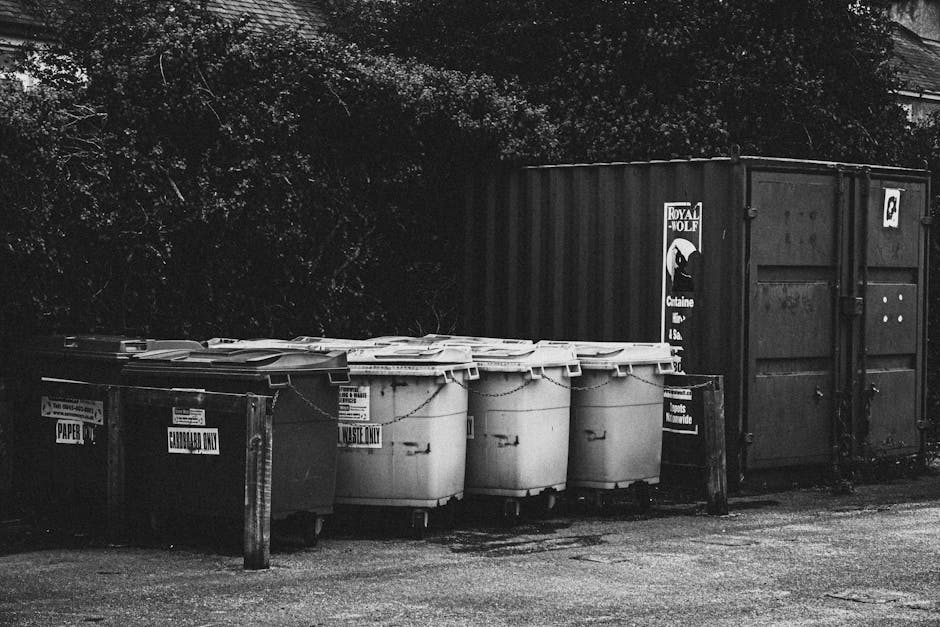
Skip permits & disposal rules for Goddington Council
If you are planning a clear-out, renovation, house move, or garden overhaul, the last thing you want is a skip arriving only to cause a permit issue or a disposal headache. The good news is that understanding Skip permits & disposal rules for Goddington Council does not need to be complicated. Once you know when a permit is needed, what can and cannot go in a skip, and how to avoid delays, the whole job becomes far easier. Truth be told, most problems happen because people leave this too late.
This guide walks you through the practical side of skip use in Goddington: permits, access, waste types, best practice, and common mistakes. It is written for real-life situations, like moving house, clearing a flat, or getting rid of bulky clutter without upsetting neighbours or breaching local rules.
Expert summary: the safest approach is simple: check whether the skip will sit on public land or private land, confirm disposal restrictions before booking, and sort your waste into sensible categories before loading. That alone prevents most avoidable delays.
Why Skip permits & disposal rules for Goddington Council Matters
Skips are convenient, but they are not a free-for-all. If a skip is placed on a public road, pavement, verge, or another shared space, permission is usually required. That is because the council needs to protect access, safety, drainage, and traffic flow. Even when the skip is on private land, disposal rules still matter because some materials cannot go in standard mixed waste loads.
In Goddington, this matters even more if you are working in a narrow residential street, a terrace with limited access, or a busy road near a station or high street. One poorly placed skip can block bins, frustrate neighbours, or create a parking snag for everyone. You will notice that most local disposal headaches are not about the skip itself, but about where it sits and what people try to throw in it.
It also matters financially. A missed permit, a contaminated skip, or a waste collection that has to be re-sorted can lead to extra charges and delays. Nobody enjoys that part. Let's face it, waste removal should make life simpler, not create another spreadsheet.
For people already juggling packing, moving day logistics, or furniture disassembly, getting the skip side right can make the rest of the project feel much calmer. If you are also planning a wider move, it can be worth reading how to simplify house moving and avoid stress and expert decluttering advice before anything gets loaded.
How Skip permits & disposal rules for Goddington Council Works
The basic process is usually straightforward, although the exact council process can vary. The key question is where the skip will be placed. If it sits entirely on private property, such as a driveway or front garden, a permit may not be necessary. If it sits on public land, a permit or licence is commonly required.
Once a skip is booked, the provider usually helps with the permit step if needed, but you should never assume this is automatic. Always confirm whether the skip hire company is handling the application, what lead time is needed, and whether the permit period matches the duration of your job. A permit can be short-term, and overrunning it is the sort of mistake that turns a tidy plan into an awkward one.
Disposal rules are the other half of the picture. Standard skips are generally suitable for mixed household and light construction waste, but certain items are restricted or need separate handling. Typical examples include hazardous waste, tyres, gas bottles, fridges, batteries, electrical items, paint tins, oils, and anything that could leak, ignite, or contaminate the load. If you are clearing out a kitchen or shed, this point matters more than you might expect.
A useful way to think about it is this: permit = where the skip can sit; disposal rules = what can go inside. Get both right, and the rest is mostly just lifting, sorting, and patience.
If your project also involves access difficulties, a short van load route, or a tight loading zone, these related guides can help too: parking permits for movers explained, van access near Goddington Station, and moving into Goddington High Street flats.
Key Benefits and Practical Advantages
Getting the skip side organised early does more than keep you compliant. It improves the whole moving or clearance process in a few very practical ways.
- Fewer delays: you avoid last-minute permit scrambles and rejected collections.
- Cleaner sorting: separating waste early means less rework when loading begins.
- Better space use: you use skip capacity more efficiently and avoid paying for wasted volume.
- Safer working: fewer awkward piles, fewer trip hazards, and less clutter around entrances.
- Less neighbour friction: a properly placed, well-managed skip is far less likely to cause complaints.
There is also a planning benefit that people often miss. Once the waste stream is sorted, everything else seems to fall into place too. You know what is being kept, what is being moved, what is being donated, and what goes for disposal. That clarity is surprisingly powerful when the house is full of boxes and there is a kettle balanced on the only clean counter.
For a broader view of move planning, efficient packing tips and cleaning your house before you move are both worth a read.
Who This Is For and When It Makes Sense
Skip hire is not only for builders. In Goddington, it can make sense for a wide range of everyday jobs.
Typical users
- Homeowners clearing lofts, garages, gardens, or extensions
- Renters doing end-of-tenancy clear-outs
- Landlords and letting agents managing property resets
- Renovators dealing with plasterboard, timber offcuts, old fittings, and packaging
- Small businesses clearing office furniture or refurbishment waste
When it usually makes sense
- You have more waste than a normal bin or council collection can sensibly handle
- You need the waste removed over a few days rather than all at once
- You are clearing bulky items that are awkward to move in a van repeatedly
- You want one visible, central disposal point for a bigger job
If your waste is mostly one-off bulky household items, another route may be better. For example, a targeted bulky waste pickup can be more suitable than a skip for a small number of objects. That is where local planning helps. Our guide to bulky waste collection near Langley Road may help you decide which option fits your situation.
And if you are trying to decide between skip hire, man and van support, or a full removal crew, that is a sensible question. The answer depends on volume, urgency, access, and how much lifting you want to do yourself.
Step-by-Step Guidance
Here is a practical way to handle skip permits and disposal rules without overthinking it.
- Identify your waste type. Make a rough list: household junk, garden waste, renovation debris, metal, wood, furniture, electricals, or anything hazardous.
- Decide where the skip will go. Driveway or private forecourt? Good. Public road, pavement, or verge? Expect permit territory.
- Check access space. Measure width, gate clearance, and the turning room needed for delivery. It sounds boring. It saves arguments later.
- Ask about restricted items. Confirm exactly what your chosen skip provider will not accept.
- Book with time buffer. Try not to leave the permit or skip booking until the day before the clear-out.
- Load the skip sensibly. Put flat, heavy items at the bottom and lighter or awkward items on top, keeping within the fill line.
- Keep the area tidy. Stack reusable items separately and keep walkways open. It makes the job feel less chaotic.
- Arrange collection on time. Do not let a full skip sit around longer than needed, especially on shared streets.
A small but useful habit: keep a separate box or pile for items that need special handling. Batteries, paint tins, cables, small electricals, and leftovers from DIY projects can all get mixed up very quickly. Once mixed, they are much harder to sort without wasting time.
Expert Tips for Better Results
These are the kinds of practical details that make a real difference, especially if you have never arranged a skip before.
- Start with a disposal sort, not a loading sort. Decide what is definitely going, what might be kept, and what needs separate handling before the first item leaves the room.
- Use the skip like a puzzle. Break down flat-pack furniture, collapse boxes, and nest smaller items inside larger voids where safe to do so.
- Do not bury prohibited waste. It is tempting to tuck awkward items away under mixed rubbish. Bad idea. It can cause the whole load to be rejected.
- Protect neighbours from disruption. If the skip is on the street, try to keep access clean and avoid loading late at night. Nobody likes clattering metal at 11 p.m.
- Plan for wet weather. Rain adds weight to waste and makes paper, cardboard, and soft items messier to manage. A tarp can help when appropriate.
- Match the waste type to the job. Garden waste, hardcore, and mixed household rubbish do not always belong in the same solution.
One of the biggest advantages of careful planning is that it reduces stress elsewhere in the move. If you are also moving bulky furniture, it may help to review moving in narrow Goddington terraces and creative solutions for moving your bed and mattress.
And if lifting is part of the job, do yourself a favour and think about posture before enthusiasm. The principles and benefits of kinetic lifting is a useful mindset shift. Your back will thank you. Probably quietly, but still.

Common Mistakes to Avoid
Most problems around skips are predictable. That is the annoying thing. They are usually avoidable.
- Assuming a permit is not needed: if the skip is on public land, never guess.
- Leaving the booking too late: the permit process can take time, and moving day does not wait around for admin.
- Overfilling the skip: waste must stay within the load line. Overfill can cause collection refusal or safety issues.
- Mixing hazardous and general waste: one paint tin or battery in the wrong place can create avoidable trouble.
- Blocking entrances or drains: even a legal skip position can still be poorly chosen if it causes access issues.
- Not checking local restrictions: some streets and locations are more sensitive than others because of traffic, parking pressure, or access constraints.
Another common one is underestimating how much waste a room actually produces once you start clearing it. A loft looked small until the boxes came down. A garage felt "almost empty" until the shelves were pulled out. Classic. If that sounds familiar, you are not alone.
Tools, Resources and Recommendations
You do not need fancy equipment to manage skip disposal properly, but a few simple tools make the process much smoother.
- Work gloves: basic protection for sharp edges, splinters, and rough packaging.
- Heavy-duty bin bags or rubble sacks: useful for small broken waste, but do not overload them.
- Marker pens and labels: very handy for marking restricted items or keep piles.
- Tape measure: especially useful if access is tight or the skip needs to fit a specific frontage.
- Tarpaulin: helps protect waste from rain where appropriate.
- Trolley or sack truck: practical for moving heavy bags, boxes, or small dismantled items.
On the planning side, it helps to review your move holistically. If you are setting up a multi-part clearance, the following pages can support the wider process: services overview, recycling and sustainability, and packing and boxes in Goddington.
For more delicate household items, storage can sometimes be the better choice than disposal. If you are unsure whether to store or discard, reading storage options in Goddington can help you weigh that up sensibly.
Law, Compliance, Standards, and Best Practice
While this article is practical rather than legal advice, it is worth being careful here. In the UK, waste must be handled responsibly, and duty of care principles apply. In plain English, that means you should know what you are disposing of, where it is going, and whether it requires special handling. Fly-tipping rules and improper waste disposal can carry serious consequences, so accuracy matters.
Best practice also means using a licensed, reputable waste carrier and keeping waste streams sensible and traceable. If a provider cannot explain what happens to restricted items, that is a warning sign. If they seem vague about permits or disposal categories, that is another one.
For householders, a simple compliance mindset usually works best:
- Separate hazardous from non-hazardous waste
- Keep prohibited items out of standard skips
- Do not exceed the permitted fill level
- Place the skip only where it is allowed
- Ask questions before the booking is finalised
If the job involves furniture, appliances, or a move rather than pure waste, a full removal service may be safer and more efficient. That is especially true for awkward objects such as pianos, large wardrobes, or heavy sofas. There is a reason specialists exist. They save time, stress, and the occasional bruised shin. For furniture-heavy jobs, see furniture removals in Goddington and, if needed, piano removals in Goddington.
Options, Methods, or Comparison Table
Not every clearance needs a skip. Sometimes another disposal route makes more sense, depending on volume, access, and urgency.
| Method | Best for | Pros | Limitations |
|---|---|---|---|
| Skip hire | Mixed waste, renovation debris, bulky clear-outs | Convenient, flexible, good for ongoing loading | Permit may be needed; restricted items apply |
| Bulky waste collection | Fewer large items or a smaller one-off clearance | Less space impact, simpler for smaller jobs | Less flexible for big or phased clear-outs |
| Man and van clearance | Furniture, boxed goods, reusable items, short-notice jobs | Quick removal, useful in access-limited streets | Requires loading coordination; may not suit mixed rubble |
| Storage then sort | Items you are not ready to throw away | Buys time, avoids rushed decisions | Not a disposal solution, only a pause |
For many people, the choice comes down to a simple question: do you want a single holding point for waste, or do you need the waste physically moved away in stages? If it is the latter, a man and van service or removal services in Goddington may be a better fit than skip hire.
On the other hand, if your project is a large house clearance with mixed debris and packing waste, skip hire still makes excellent sense. It is not glamorous, but then neither is sorting a garage in the rain. Practical wins.
Case Study or Real-World Example
Here is a realistic example based on the kind of job many people face in Goddington.
A family preparing to move from a terrace near a busy residential road needed to clear an old shed, a broken chest of drawers, several sacks of garden waste, and renovation leftovers from a small bathroom refresh. At first, they assumed they could leave a skip on the road for a few days without thinking about permits. That would have been a mistake. The road was narrow, parking was already tight, and neighbours needed access throughout the day.
Instead, they checked the placement early, sorted the waste into usable categories, and kept electrical bits, paint tins, and batteries separate. The skip was booked to match the clearance schedule rather than the other way around. The result was boring in the best possible way: no drama, no rejected waste, and no last-minute panic when the van arrived.
They also took the chance to declutter the rest of the house before move day. That made packing easier, reduced the number of items that had to be lifted, and removed a lot of odd clutter that would otherwise have travelled to the new home. If you have ever stood in a room full of half-sorted stuff and thought, "why do we own three broken lamps?", you will get the appeal.
This kind of planning works whether you are moving a flat, a house, or an office. For move-specific support, these pages can help: flat removals in Goddington, house removals in Goddington, and office removals in Goddington.
Practical Checklist
- Decide whether the skip will be on private or public land
- Confirm whether a permit is needed before booking
- Check the provider's list of restricted and prohibited items
- Measure access space for delivery and collection
- Separate hazardous waste from general waste
- Break down bulky items before loading where safe
- Keep the skip within the fill line
- Schedule collection or removal before the permit expires
- Keep pathways, doors, and shared access routes clear
- Choose an alternative if the waste is small, delicate, or better suited to collection rather than a skip
If you want the wider move to feel less frantic, it also helps to plan around the loading sequence, packing materials, and timing. A little preparation goes a long way. Honestly, a calm ten minutes on paper can save a very noisy hour on the day.
Get a free quote today and see how much you can save.

Conclusion
Skip permits and disposal rules may not be the most exciting part of a move or clearance, but they are often the part that prevents the most avoidable trouble. Once you understand where the skip can go, what can go in it, and how to plan the job around access and timing, the whole process becomes much easier to handle.
In Goddington, that extra bit of care is especially useful where road space is tight, properties have awkward access, or neighbour disruption needs to be kept low. A little organisation now can save real time, money, and stress later. And to be fair, that is exactly what most people want from a waste solution.
Take the practical route, keep the rules in mind, and treat disposal as part of the move plan rather than an afterthought. It makes the day smoother, the street calmer, and your own head a lot clearer. Small things, but they matter.