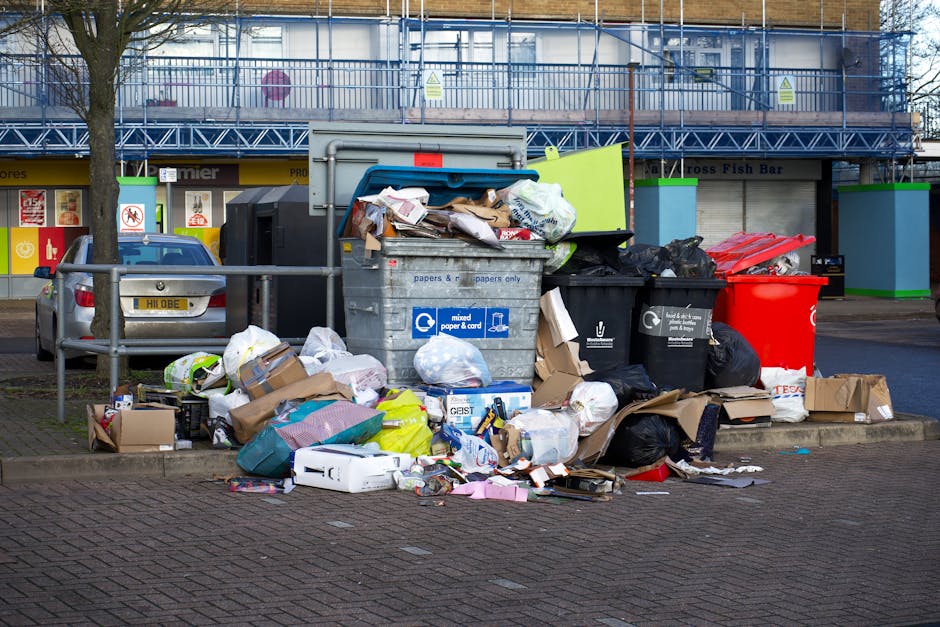
Bulky waste collection near Langley Road, Goddington
Posted on 02/06/2026
Bulky waste collection near Langley Road, Goddington: a practical local guide
If you are staring at an old sofa, a broken wardrobe, or a mattress that has somehow become part of the scenery, you are in the right place. Bulky waste collection near Langley Road, Goddington is one of those services people only think about when the hallway is full and the clock is ticking. The good news? With a bit of planning, it can be straightforward, tidy, and far less stressful than trying to drag heavy items out on your own.
This guide explains what bulky waste collection is, how it usually works in practice, what to watch out for, and when a removal team may be the smarter option. It also covers local access realities around Goddington, common mistakes, and a few sensible ways to prepare the load so collection day does not turn into a small household drama. Let's make it easier.
Why bulky waste collection near Langley Road, Goddington matters
Bulky waste is any large household item that is awkward to move, too big for an ordinary bin, or simply not suited to regular rubbish collection. Think sofas, wardrobes, bed frames, mattresses, dining tables, broken appliances, office chairs, and similar items. In a busy residential area, these objects can become a real nuisance quickly, especially if they are left in a hallway, front garden, or beside the pavement.
Near Langley Road, accessibility and timing matter more than people expect. A bulky item may be easy enough to shift in theory, but the moment you factor in narrow entryways, limited parking, shared access, stairs, or a van needing space to load safely, the job gets more complicated. That is why an organised bulky waste collection service is so useful: it reduces the physical strain and helps the job get done in one clean sweep.
There is also a practical cleanliness angle. Old furniture tends to gather dust, shed fabric fibres, and attract clutter around it. A forgotten mattress in a spare room can make the whole property feel unfinished. If you are moving house, clearing bulky waste early makes everything else easier, from decluttering before a move to the final clean. Truth be told, once the big stuff is gone, the rest of the room looks instantly more manageable.
And there is one more reason this matters: safety. A badly handled wardrobe or fridge is not just heavy; it can scratch walls, block exits, or cause injuries if it slips. If you have ever tried to pivot a sofa through a narrow doorway, you already know the sound of a bad decision before it happens. Not fun.
How bulky waste collection near Langley Road, Goddington works
In most cases, bulky waste collection follows a fairly simple pattern. You identify the items, decide whether they are suitable for reuse, recycling, or disposal, and arrange collection in a way that suits the property and the access available. The key is to be precise about what needs moving. Vague descriptions tend to create delays. A list that says "old stuff" is not exactly helpful, is it?
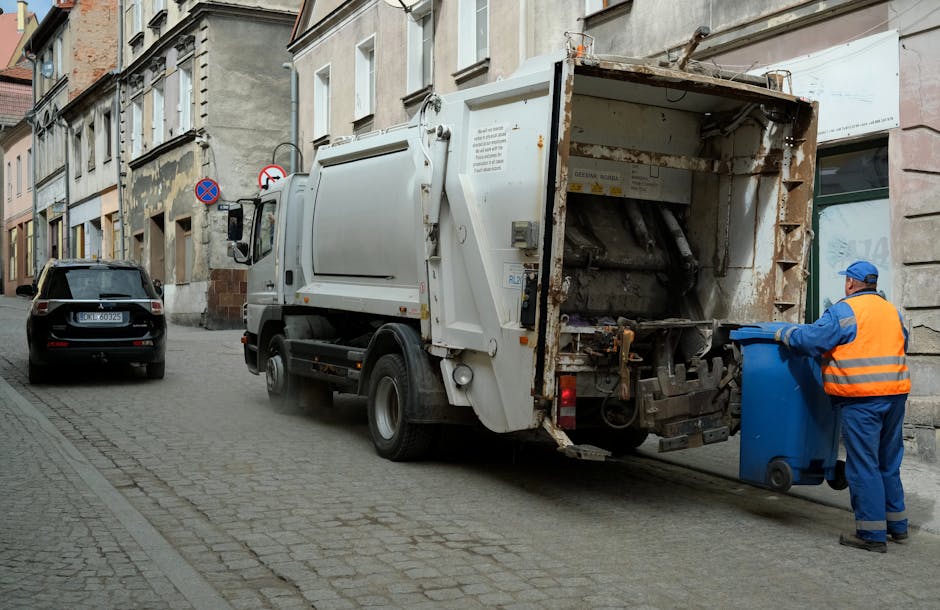
A practical collection service usually starts with a quick assessment of the load. That may involve photos, item descriptions, or a short conversation about stairs, parking, and whether anything needs dismantling. If the item is especially awkward, for example a heavy sofa bed or a large piano bench, the team may need extra space, extra time, or a different handling approach. If you are dealing with specialist items as part of a wider move, you may also want to look at furniture removals in Goddington or even piano removals in Goddington for items that need a bit more care.
Some bulky waste is collected for disposal only, while other items may be separated for recycling or donation if they are still usable. That distinction matters. A chipped bedside table and a usable armchair are not the same job. A good provider will usually explain what can be taken, how it will be handled, and whether any preparation is needed before collection day.
In local areas like Goddington, timing often ends up tied to access. Collections tend to work best when the items are already grouped, the route to the front door is clear, and the vehicle can park without blocking neighbours or traffic. If you are near a tighter access point, it is worth reviewing local access notes such as van access near Goddington Station and loading spots or the practical guidance on parking and access in Goddington Park Estate. Different streets, different headaches. That is just how it goes.
Key benefits and practical advantages
The obvious benefit is convenience, but that barely scratches the surface. Bulky waste collection saves time, lowers the risk of injury, and removes the awkward middle stage where an item sits in the way for days because nobody wants to deal with it. We have all seen that one armchair moving from room to room like it owns the place.
It also helps you avoid unnecessary damage. Larger items are often harder to manoeuvre than they look. A mattress can scrape a wall. A cabinet can catch on a bannister. A broken freezer can leave a trail of grime if dragged without care. Using a proper collection method reduces that risk and makes the whole process cleaner from start to finish.
Another practical advantage is sorting. If the collector is set up to separate reusable items from waste, you may end up handling less landfill disposal than you expected. That is useful from a sustainability point of view, and it often feels better too. For readers who want to think more carefully about waste handling and re-use, the site's recycling and sustainability guidance is a helpful companion read.
Finally, bulky waste collection can support other projects. If you are getting ready to move, downsizing, renovating, or clearing a rental property, removing the large awkward things first makes everything else faster. It can also create the mental lift you need to keep going. Once the sofa has gone, the rest somehow feels possible.
Who this is for and when it makes sense
Bulky waste collection near Langley Road, Goddington is a good fit for several types of customers. Homeowners use it when they are replacing furniture, clearing a loft, or dealing with damaged household items. Renters often need it at the end of a tenancy, when they have to leave a property clean and empty without leaving large items behind. Landlords and letting agents may use it after a tenant has moved out and left furniture or appliances that need removing.
It also makes sense during house moves. If a bed frame is not coming with you, or if the old sofa will not suit the new place, it is usually easier to remove it before moving day. That ties in nicely with other moving tasks such as making a house move less stressful and planning the right packing approach with packing and boxes in Goddington.
Businesses need bulky collection too, especially offices replacing desks, chairs, filing cabinets, or reception furniture. If you are clearing a commercial space, it can be sensible to compare a straightforward collection with a more structured office removals service in Goddington. The right choice depends on whether the items are waste, relocation stock, or a mix of both.
It may even be the right choice for students or people in flats with limited space. A broken bed base in a top-floor flat is not something you want hanging around for long. If stairs, lifts, or tight communal access are part of the picture, flat removals in Goddington can be relevant too, because the logistics are often similar even when the job is smaller.
Step-by-step guidance
Here is a sensible way to handle bulky waste without overcomplicating it.
- List every item clearly. Write down what needs to go, including quantity and condition. A single sofa is different from two sofas, obviously, but it helps to note whether the item is broken, heavy, damp, or partly dismantled.
- Check access early. Measure doorways, stair turns, and any tight corners. If the item will not fit through the route intact, you may need dismantling or an alternative removal plan.
- Separate reusable and non-reusable items. This makes sorting easier and can improve recycling outcomes. It also stops useful things from being buried under general waste.
- Move the items to a safe staging area. If possible, place them near the exit but away from walkways. That reduces last-minute chaos on the day.
- Protect surrounding areas. Lay down blankets or cardboard if the item is likely to scratch flooring. A small amount of prep now can save a repair bill later.
- Confirm the loading point. In local streets, the collection vehicle may need a particular parking position or a clear route. If in doubt, a quick note about access helps a lot.
- Have the item ready before the team arrives. Collection slots run better when nothing is still connected, filled, or half-stuffed with old cables and magazines.
If the load includes very heavy or awkward pieces, it is worth using safe lifting methods rather than trying to "muscle through". The practical side of kinetic lifting principles is simple: use your legs, keep the load stable, and avoid twisting under strain. That sounds obvious, but in the rush, people forget. Every time.
Expert tips for better results
One of the best tips is to treat bulky waste like a tiny project, not a spontaneous chore. Ten minutes of organisation often saves an hour of frustration. Start with a clean path from the item to the exit, then remove anything fragile nearby. Lamps, mirrors, small tables, shoes left in the hallway - all of it gets in the way when a big item is coming through.
If your bulky waste is tied to a move, think in zones. Old items that are staying, going, or being stored should not mix together. That is especially helpful if you are also using storage in Goddington or arranging temporary relocation support. A sofa going into storage needs a different plan from one that is being disposed of, and a little clarity up front avoids mistakes later.
For furniture with removable parts, separate cushions, legs, shelves, and loose fittings before the collection day. This makes handling safer and can reduce the chance of damage. If you are getting rid of soft furnishings, you may find the guidance in safeguarding a sofa in storage useful even if the sofa is not staying long-term. The same thinking applies: protect the fabric, keep the frame stable, and do not leave loose bits everywhere.
A final tip: if the job needs to happen quickly, ask for the earliest practical slot and be honest about access. Same-day help can be a lifesaver when a deadline is looming, especially during last-minute move-outs or landlord inspections. In those cases, a same-day removals service in Goddington may be the difference between calm and chaos.
Common mistakes to avoid
The most common mistake is waiting until the last minute. People assume bulky waste will be easy to move because it has been sitting there for months. Then collection day arrives, and suddenly the sofa is too wide, the sideboard is heavier than expected, and nobody has a screwdriver. Classic.
Another mistake is not checking what the item is made of or whether it contains anything hazardous. Most routine household goods are fine to discuss in advance, but items with batteries, fluids, or unusual components may need special handling. It is better to ask than guess.
People also misjudge access. A driveway may look usable, but if a van cannot safely pause there, the whole pickup changes shape. Narrow streets, shared entrances, and busy school-run times can all affect the practical plan. If you know access is awkward, say so early. Do not wait for the van to arrive and then discover there is nowhere to stop. That is a very British kind of problem, really.
Finally, a lot of people forget to think about the wider move. If you are clearing a property, bulky waste removal should sit alongside packing and final cleaning, not compete with them. The articles on packing efficiently when moving house and cleaning your house before you move fit neatly into that bigger picture.
Tools, resources and recommendations
You do not need much, but the right basics make the job smoother:
- Measuring tape for doorways, stair turns, and furniture dimensions.
- Work gloves to improve grip and reduce the chance of cuts or splinters.
- Furniture sliders or blankets if you need to move items across flooring without scraping it.
- Screwdrivers or Allen keys for dismantling tables, bed frames, or shelving.
- Labels or masking tape if you are sorting items into keep, donate, recycle, and dispose piles.
- Bin bags or boxes for loose fixings, cables, cushions, and small detachable parts.
It can also help to know where your items fit in the broader moving process. If you are moving furniture instead of disposing of it, man with a van in Goddington and man and van services in Goddington are useful options to compare. For larger or more complex jobs, removal services in Goddington or a removal van in Goddington may suit you better.
If you want reassurance around handling and liability, review the provider's published guidance on health and safety and insurance and safety. That sort of detail matters more than people think, especially when heavy objects are involved.
Law, compliance, standards, and best practice
For bulky waste, the key principle is simple: waste should be handled responsibly and by people who are set up to move it lawfully and safely. In the UK, that generally means avoiding fly-tipping, using an appropriate disposal route, and making sure waste does not end up dumped in a way that causes nuisance or environmental harm.
From a homeowner's point of view, best practice is to choose a collection method that leaves a clear paper trail or at least a clear service agreement, especially when you are clearing a rented home, managing a move, or disposing of items on behalf of someone else. You do not need to become a legal expert overnight. You just need to avoid the kind of informal arrangement that could come back to bite you later.
When items are reusable, the more responsible path is often reuse, donation, or recycling where practical. That is not always possible, of course. A mattress at the end of its life is still a mattress at the end of its life. But where options exist, it is worth giving them proper thought before disposal.
If you are working with a moving company or a van-based collection team, check their public-facing policies too. Pages like terms and conditions, payment and security, and complaints procedure are useful signs that a provider runs things in a structured way. Not glamorous, but reassuring. And honestly, that is what you want when someone is carrying a wardrobe through your front door.
Options, methods, and comparison table
There is more than one way to handle bulky waste, and the right choice depends on the item, your time, and the access at the property. Here is a plain-English comparison.
| Option | Best for | Pros | Watch-outs |
|---|---|---|---|
| DIY disposal | Small loads, short distances, people with a suitable vehicle | Flexible, can be low-cost if you already have transport | Heavy lifting, injury risk, time-consuming, disposal rules still matter |
| Bulky waste collection | Single items or mixed household goods that need removing quickly | Convenient, organised, less physical strain | Access needs to be clear; some items may need prior sorting |
| Man and van removal | Furniture that is moving to another property or storage | Good for mixed loads, adaptable, efficient for local moves | Not ideal if the main goal is disposal rather than relocation |
| Full removal service | Whole-house moves or larger clearances | Best for bigger projects, can include packing and loading support | More involved than needed for one or two items |
If you are unsure which route fits, think about the item first and the logistics second. Is it going away forever, or just moving elsewhere? That single question usually narrows the choice fast.
Case study or real-world example
A typical Goddington scenario looks like this: a couple is preparing to move from a flat near Langley Road and realises their old three-seater sofa will not fit in the new living room. They also have a damaged bookcase, a tired mattress, and a freezer that has been replaced. None of it is outrageous on its own, but together it is enough to clog up the hallway and slow down the whole move.
They start by measuring the route to the front door and moving the smaller items out of the way. The mattress is bagged, the bookcase is partly dismantled, and the freezer is cleared and left unplugged in line with sensible preparation. Because they also need help with the rest of the move, they combine bulky waste clearance with a local removal plan rather than treating everything as separate jobs.
That is where planning pays off. Instead of three rushed trips and a scratched wall, they get one organised collection, fewer loose ends, and a lot less noise in the final 48 hours. The flat feels bigger immediately. By the afternoon, the smell of cardboard and dust is replaced by that strange, satisfying emptiness that only comes after a proper clear-out. A bit sad, a bit freeing. Mostly freeing.
In cases like this, readers often find it helpful to read about creative ways to move a bed and mattress if they are undecided about whether an item should be collected, moved, or stored. The same item can be handled in different ways depending on its condition and destination.
Practical checklist
Use this before your collection day.
- List every bulky item clearly.
- Measure doorways, stairs, lifts, and tight corners.
- Check whether any item needs dismantling first.
- Separate items for disposal, reuse, recycling, or storage.
- Clear hallways, landings, and loading areas.
- Protect floors and walls where the item will pass through.
- Keep screws, brackets, and small parts in a labelled bag.
- Confirm parking or vehicle access in advance.
- Make sure pets and children are out of the route.
- Have payment and timing details ready before the team arrives.
Expert summary: the cleaner the route and the clearer the item list, the smoother the collection. That is the whole game, really. Most problems happen before the van even arrives.
Get a free quote today and see how much you can save.
Conclusion
Bulky waste collection near Langley Road, Goddington is not just about getting rid of old furniture. It is about reclaiming space, reducing stress, and handling awkward items in a way that is safe, tidy, and sensible. Whether you are preparing for a move, clearing a rental, or simply making room for something better, the right approach saves time and spares your back.
The best results come from simple preparation: measure, sort, clear the route, and choose the service that matches the task. If the job is bigger than a lone DIY lift, that is not a failure. It is just good judgement. And good judgement has a lovely habit of making stressful jobs feel surprisingly manageable.
Take it one step at a time, and the space will come back to you.